A vehicle lasts longer when wear, fluid breakdown, and developing faults are addressed before they damage major components. Oil changes are a central part of that process because engine oil protects moving surfaces every time the engine runs. Preventive maintenance extends that protection to the cooling system, transmission, brakes, tires, belts, filters, and other systems that support reliable operation.
The goal is not to replace every part early. Effective service follows the manufacturer’s schedule, considers driving conditions, reviews previous work, and responds to measured wear. That approach helps control repair costs while protecting the vehicle through higher mileage.
Engine Oil Protects Critical Internal Parts
Engine oil forms a protective film between bearings, crankshafts, camshafts, pistons, timing components, and other moving parts. It also carries heat away from loaded surfaces, suspends contaminants, and helps hydraulic components operate correctly.
Combustion gases, moisture, fuel dilution, heat, and microscopic wear particles gradually change the oil. Its additives become depleted, deposits begin forming, and the oil may no longer control friction or contamination as effectively. Replacing the oil and filter at the correct interval removes accumulated material and restores the protection specified for the engine.
The oil must meet the required viscosity and manufacturer approval. Two products with the same viscosity can use different additive systems and performance standards. Turbocharged engines, direct-injection systems, diesel emissions equipment, and variable valve timing components can be especially sensitive to incorrect oil.
Oil Changes Help Protect Timing And Turbo Systems
Many modern engines depend on oil pressure to operate timing chain tensioners, camshaft adjusters, valve lifters, and variable valve timing controls. Sludge or restricted passages can delay pressure buildup and interfere with these components.
A timing chain also relies on clean oil to lubricate its links, guides, and sprockets. Repeatedly extending oil intervals or allowing the level to fall can accelerate chain and guide wear. Drivers may eventually hear startup rattling, experience timing faults, or notice reduced engine performance.
Turbochargers operate at very high speed and temperature. Their bearings need a steady flow of correctly specified oil. Degraded oil, low oil level, or restricted supply passages can damage the bearing assembly and allow oil to enter the intake or exhaust system. Consistent oil service is far less costly than replacing a turbocharger or repairing internal engine damage.
Preventive Maintenance Protects More Than The Engine
The engine cannot remain dependable when supporting systems are neglected. A cooling system fault can overheat a well-maintained engine, while a weak battery can leave a mechanically healthy vehicle unable to start. Worn tires, leaking brakes, and damaged steering parts also affect whether the vehicle remains safe to operate.
A preventive maintenance plan may include:
- Coolant replacement
- Brake fluid service
- Transmission fluid service
- Differential and transfer case fluid service
- Spark plug replacement
- Engine and cabin air filter replacement
- Tire rotation and pressure adjustment
- Battery and charging system testing
- Belt and hose checks
- Brake, steering, and suspension evaluation
These services do not share one universal interval. Requirements depend on the vehicle’s engine, transmission, drivetrain, age, mileage, and operating conditions.
Driving Conditions Can Shorten Service Intervals
The interval listed for normal driving may not fit every vehicle. Frequent short trips can prevent the engine oil from reaching full operating temperature long enough to remove moisture and fuel contamination. Extended idling adds engine operating time without adding corresponding mileage.
Towing, mountain driving, heavy traffic, dusty roads, extreme temperatures, and repeated high-load operation can increase heat and contamination. Vehicles used under these conditions may need earlier fluid and filter service than those driven primarily on steady highway trips.
Time also affects maintenance. A low-mileage vehicle still experiences oil contamination, coolant aging, brake fluid moisture absorption, battery deterioration, and rubber hardening. Service decisions should account for both mileage and elapsed time.
Routine Visits Reveal Developing Problems
An oil change provides a recurring opportunity to check the vehicle for changes. Technicians can look for fresh leaks, damaged belts, weak hoses, uneven tire wear, loose suspension parts, low fluid levels, and battery corrosion before those concerns create a breakdown.
The condition of the removed oil and filter can also provide useful information. Metal debris, fuel odor, coolant contamination, or an unusually low oil level may support further testing. An inspection of the underside can reveal seepage that has not yet reached the ground.
Regular maintenance records make these findings more useful. Comparing current tire wear, fluid loss, and battery performance with previous visits shows whether a condition is stable or progressing. That history also prevents services from being repeated unnecessarily.
Small Repairs Can Prevent Larger Damage
A minor leak or worn component can affect several nearby systems. Oil from a valve cover may reach the serpentine belt and cause rubber deterioration. A coolant leak can lead to overheating. A torn CV boot can release grease until the joint begins clicking and requires complete axle replacement.
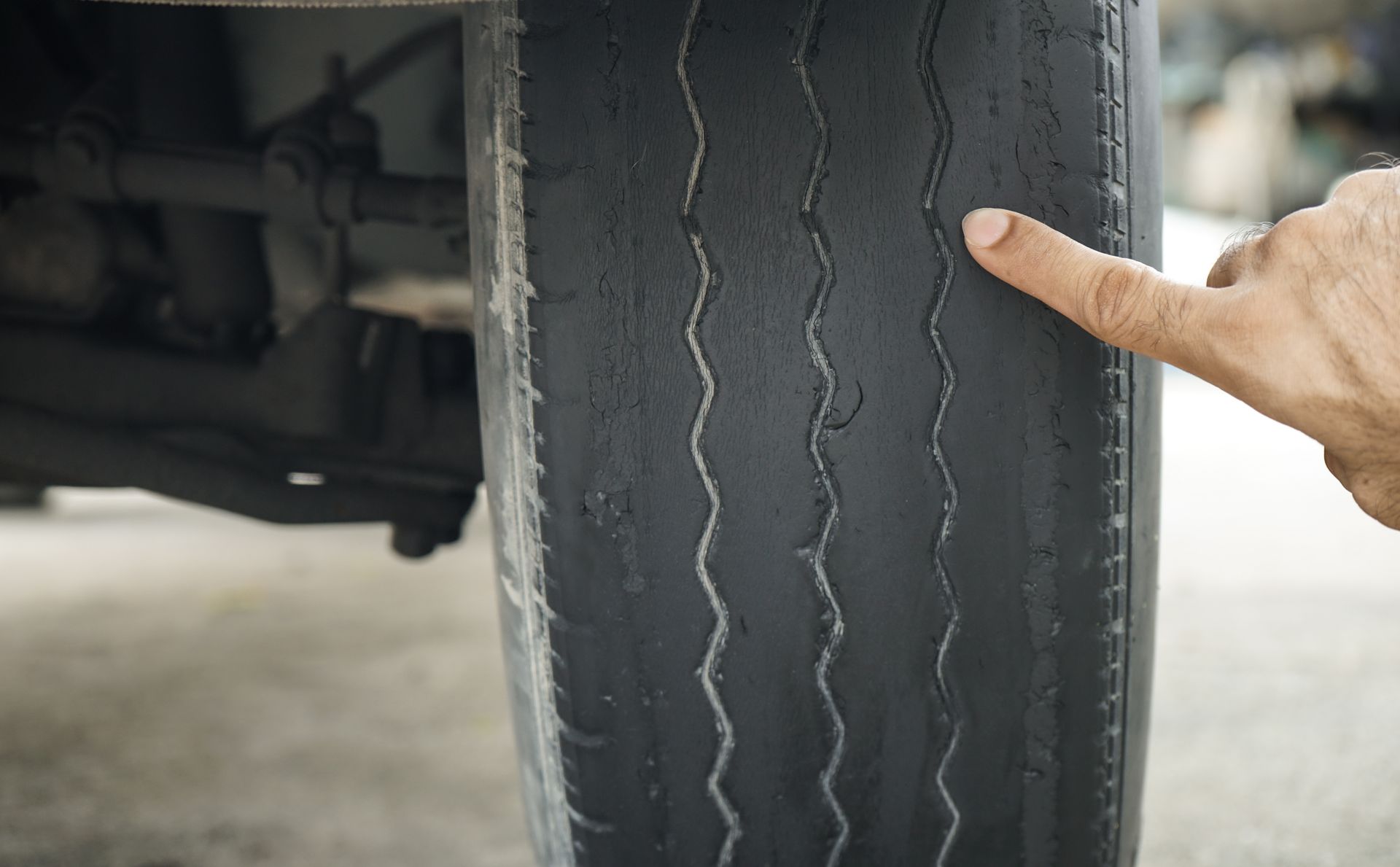
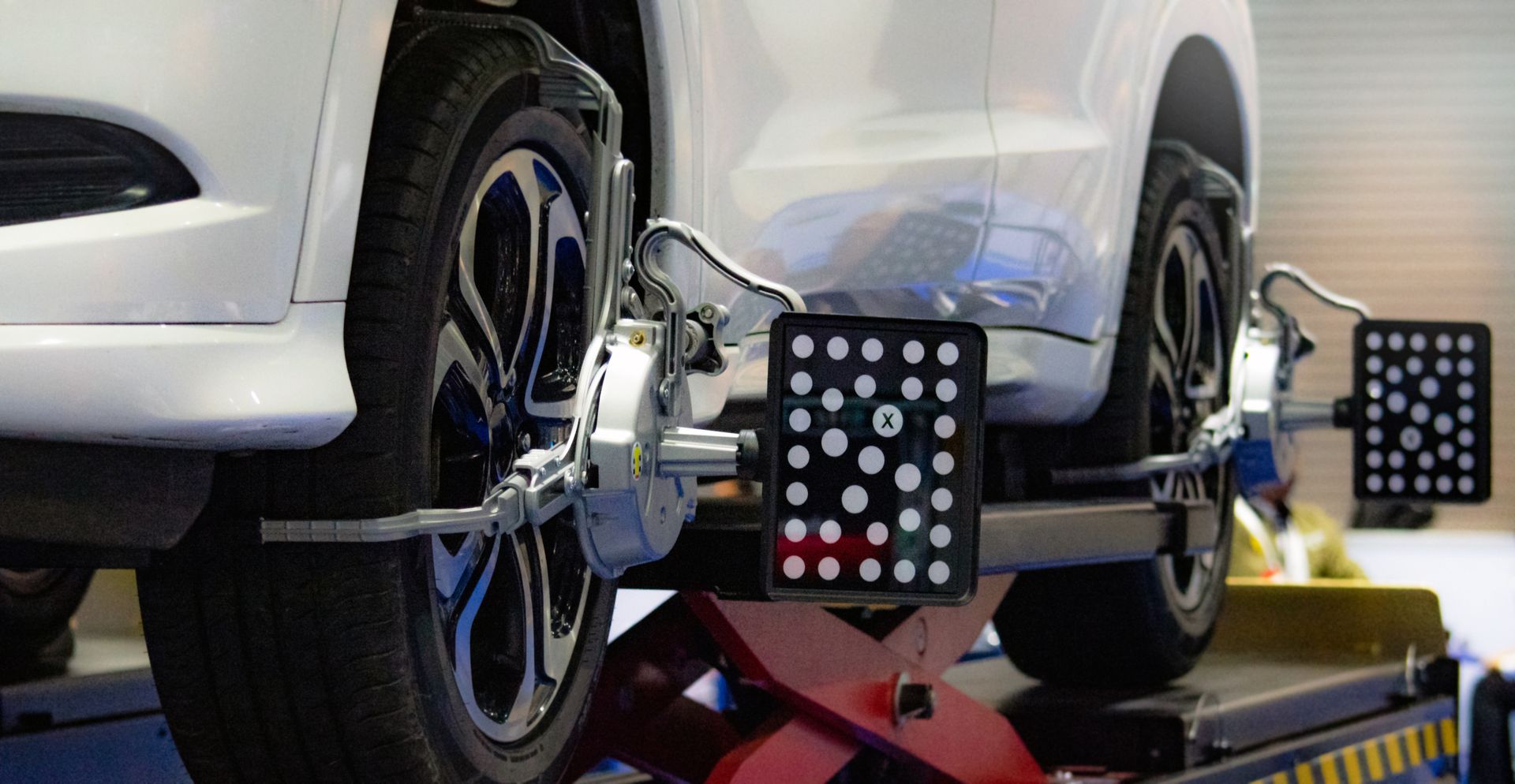
The same principle applies to tires and suspension. A weak shock or loose bushing can create uneven tire wear. Replacing the tire without correcting the worn component allows the new tread to develop the same pattern.
Early repairs are often more focused because related parts are still serviceable. Delayed repairs may require replacing multiple components after heat, contamination, looseness, or low fluid levels spread the damage.
Service Records Support Long-Term Ownership
Accurate records show when oil, coolant, transmission fluid, spark plugs, brakes, filters, and other items were serviced. They allow technicians to build recommendations from verified history instead of relying only on mileage.
Records also help when selling the vehicle. Buyers can see that required work was completed with suitable fluids and parts. A documented history supports confidence that the car was cared for consistently rather than repaired only after something failed.
A practical plan should separate overdue work, current safety or reliability concerns, and future services that can be scheduled later. This keeps maintenance organized and allows the owner to budget for upcoming needs.
Get Oil Changes And Preventive Maintenance In Edmonds, WA, With Factory Direct Tire Sales
Factory Direct Tire Sales in Edmonds, WA, can provide oil changes while reviewing fluid levels, filters, tires, brakes, belts, hoses, battery condition, and scheduled service needs.