A nail in the tread doesn't always mean a new tire. A small-looking cut in the sidewall is a different story. So does your tire need a repair or a replacement?
The answer depends on where the damage is, how big it is, and how it affects the tire's structure, along with the tire's overall condition and the manufacturer's limits. A tire that holds air after a quick fix doesn't prove it's safe.
Some Small Tire Tread Punctures Can Be Professionally Repaired
A suitable puncture in the repairable tread area may be repairable. A common passenger-tire industry limit is an injury no larger than one-quarter inch, or six millimeters, in diameter. The tire manufacturer's policy and the full inspection can add further restrictions.
A repair candidate needs more than a small hole:
- The injury must stay within the permitted tread repair area.
- The tire must have no disqualifying internal or structural damage.
- Existing repairs, wear, and manufacturer restrictions must allow the work.
An object near the edge of the tread can angle into an unsafe area, so how the damage looks from outside is only the starting point.
Shoulder And Sidewall Tire Damage Usually Requires Replacement
The shoulder and sidewall flex as the tire rolls and carries the vehicle's load. Damage there falls outside the standard passenger-tire puncture repair area. A patch can't simply restore the strength of cut or damaged reinforcing material, even if it appears to stop air from escaping.
Don't move the repair inward on the inside of the tire and assume that makes a shoulder injury acceptable. The damage's path and extent determine its location. If the injury reaches the shoulder or belt-edge area, the tire should come out of service. That means a small hole in the wrong place can require replacement, while a suitable tread puncture may not.
Tire Bulges And Exposed Cords Indicate Structural Concerns
A bulge can signal damage to the structure that supports the tire. Hitting a pothole or curb can injure that structure without leaving an obvious puncture. Exposed cords, separation, or a deep cut also need professional attention, not a surface seal.
These problems aren't handled like an ordinary nail hole. A tire can hold pressure even when its ability to carry a load safely is compromised. If you notice a bulge or serious damage, avoid driving on it and arrange assistance. Mention any recent impact, vibration, or handling change during the inspection.
Driving With Low Pressure Can Make Tire Damage Unrepairable
A tire driven while significantly underinflated or flat can develop damage inside the sidewall and inner liner. The outside may still look reasonably intact after you add air. Heat and excessive flexing during that driving can change whether an otherwise suitable puncture is still repairable.
Tell the technician how far you drove, what the conditions were like, and whether the tire lost pressure completely. Run-flat tires have limits too and need the manufacturer's evaluation after low-pressure operation. Their ability to carry you a short distance doesn't guarantee they can be repaired afterward. Only an internal inspection can show damage the outside can't reveal.
A Proper Tire Repair Uses Internal Inspection And A Complete Repair Unit
For a suitable puncture, the tire needs to come off the wheel so technicians can inspect the interior. Industry procedures call for filling the injury channel with a stem and sealing the inner liner with a patch. A combination repair unit can do both jobs when it's right for the injury.
An outside plug alone, or an internal patch alone, doesn't complete both parts of that repair. Repairs must not overlap, and industry guidance says to take a tire with an existing improper repair out of service. Emergency sealant doesn't make a permanent repair either. Tell the shop about any prior treatment before they evaluate the tire.
Tire Wear And Age Can Affect The Repair Decision
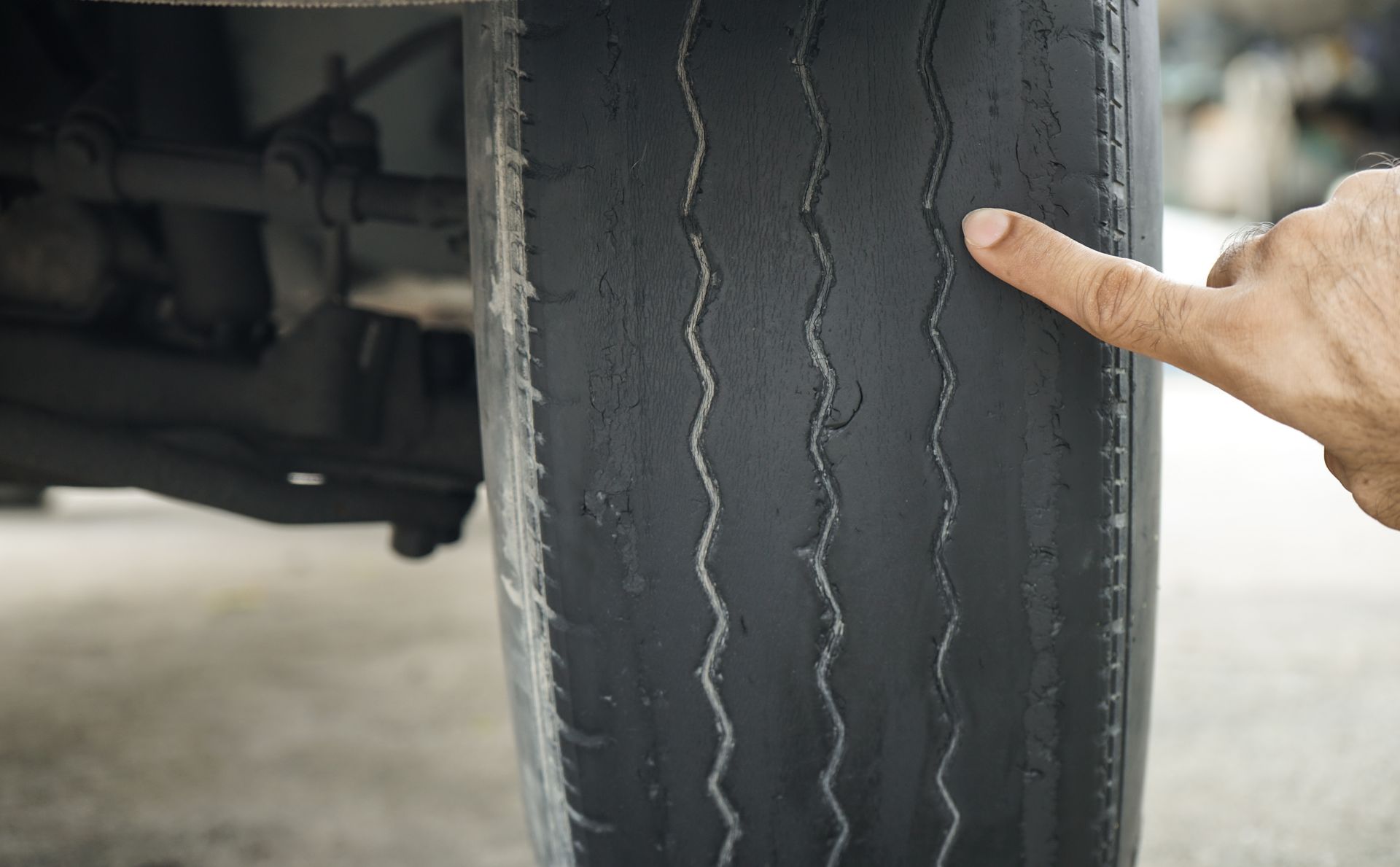
A repair can't restore worn tread or reverse age-related deterioration. Weigh the tire's remaining tread, cracking, previous damage, and service history along with the puncture. A tire already due for replacement may not be fit for more service, even if the new hole is small.
Different manufacturers set their own inspection and replacement guidance, so don't pick a universal age rule for every tire. The date code gives manufacturing information, while condition and use add context. A tire with little mileage can still deteriorate, and an unused spare can age too. Ask why repair or replacement is recommended for the actual tire in front of you.
New Tires Should Match The Vehicle’s Requirements
If you need a replacement, choose the required size, load capability, and a suitable tire type. Matching matters, especially on vehicles whose driveline instructions limit differences in rolling circumference or tread depth. Replacing one tire may be possible in some cases, while another vehicle needs a different approach.
Compare the condition of the remaining tires before you decide how many to replace. The installation should also address the original concern, such as a damaged wheel or a recurring pressure leak, where applicable. A new tire can't correct every cause of vibration or uneven wear. The recommendation should explain both the damaged tire and how its replacement fits your vehicle's overall tire setup.
Get Tire Damage Inspection In Edmonds, WA, With Factory Direct Tire Sales
Factory Direct Tire Sales in Edmonds, WA, can inspect punctures, cuts, bulges, and pressure-loss concerns. We can explain whether a professional repair is appropriate or help you choose replacement tires that suit your vehicle and its remaining tires.
Contact us to schedule a tire inspection and find out whether the damage can be safely repaired.